Access to clean water and safe sanitation is not a luxury — it is essential for daily life, dignity, and survival. In impoverished rural villages, the lack of clean water and proper sanitation facilities directly affects health, education, and economic stability.
Open Hands Education Trust seeks to support the construction of wells and hand pumps to provide reliable access to clean drinking water, along with latrines and hand-washing stations to improve sanitation and hygiene practices throughout the community.
Clean water means children are less likely to suffer from waterborne diseases. Proper sanitation reduces the spread of infections. Hand-washing stations help prevent illness before it begins. Together, these simple but life-changing facilities reduce medical costs, prevent lost school days, and allow adults to work consistently to support their families.
For women and girls especially, nearby water access increases safety, saves hours of daily walking, and allows more time for education, childcare, and income-generating activities. Sanitation facilities also restore dignity and privacy.
Building and Maintaining a deep well in the community to provide clean water access to people in this drought-prone rural part of Bihar
According to the World Health Organization, Water Access, Sanitation, and Hygiene (WASH) are among the most important predictors of improved health for both children and adults in the developing world. Investing in WASH is not just about infrastructure — it is about protecting lives, strengthening families, and building healthier, more resilient communities every single day.
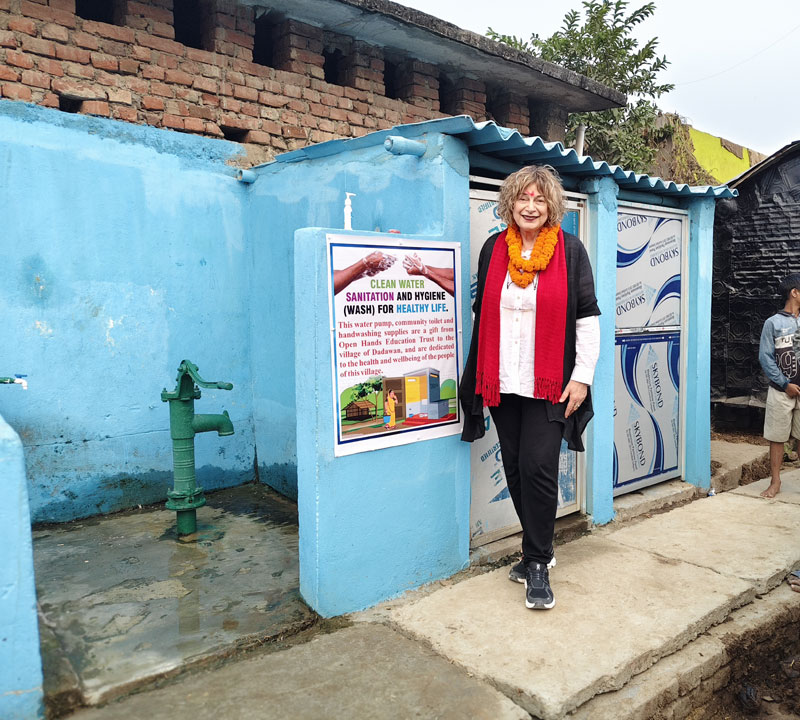
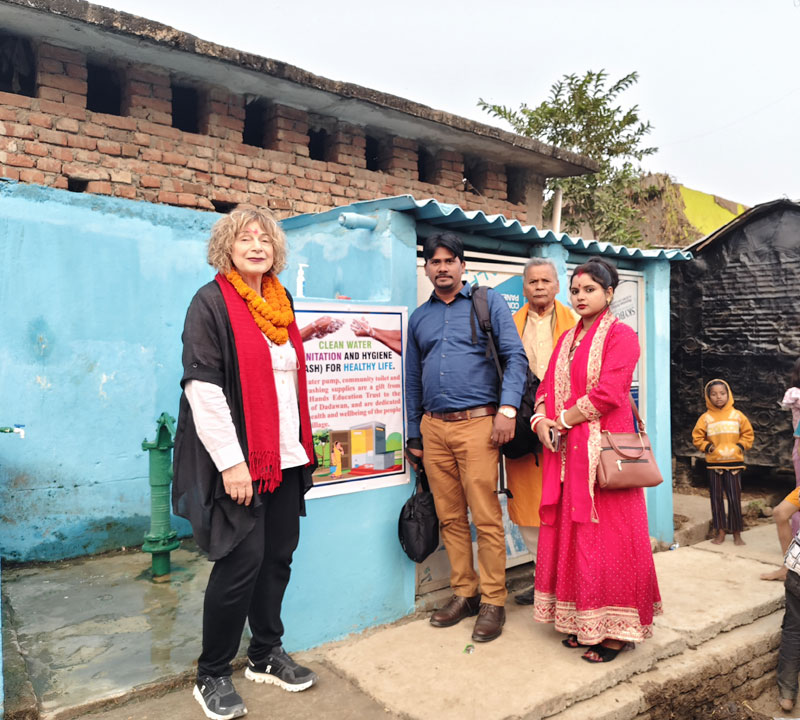
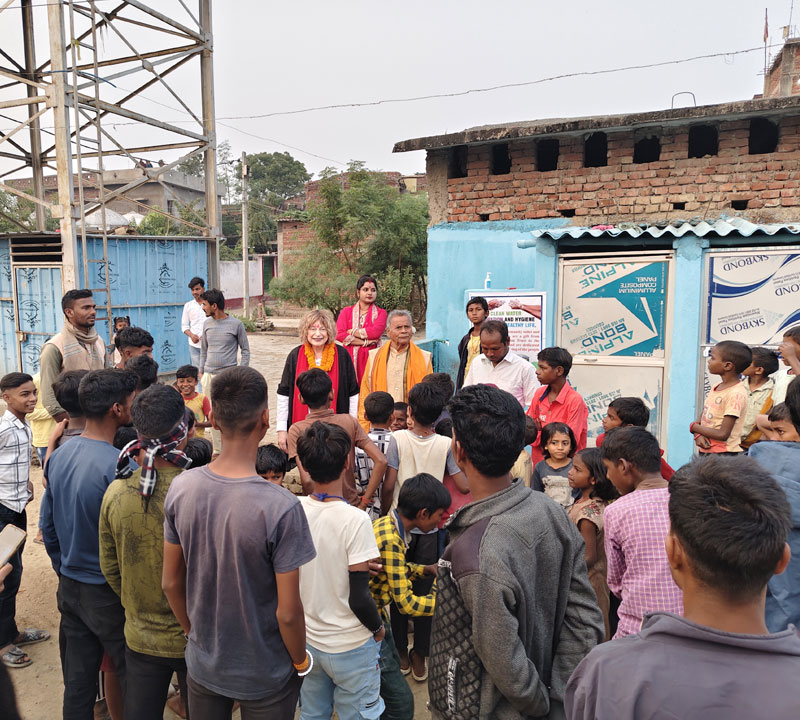
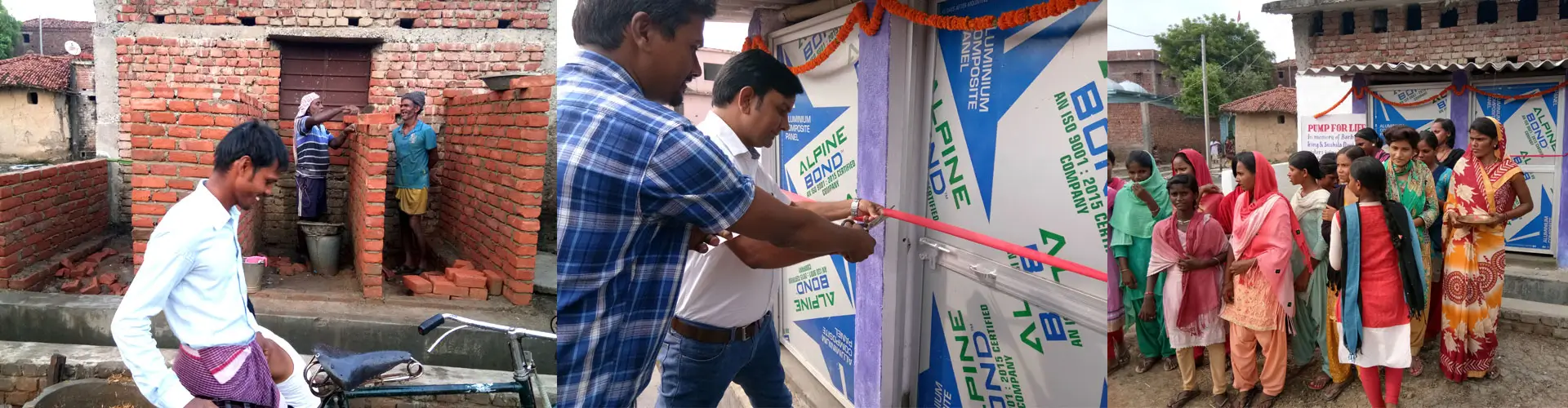
Open Hands Education Trust has already built community latrines and nearby hand-washing stations in the village, providing families with safe, private alternatives to open fields. These essential facilities protect children and adults from preventable diseases, restore dignity, and promote daily hygiene practices that save lives.
When WASH services are available at school, children stay healthier, miss fewer classes, and are better able to focus on learning. Open Hands Education Trust is committed to expanding WASH facilities throughout Dadawan village and surrounding communities—ensuring more families have access to clean, safe environments where they can live, learn, and thrive.